Iran War: Future Scenarios and Business Implications
The Iran situation remains volatile and uncertain, with material impacts for organizations.
Leaders should plan for multiple future scenarios, prioritizing resilience and effective decision-making
Current State (April 10)
- Severe tensions persist despite a two-week ceasefire:
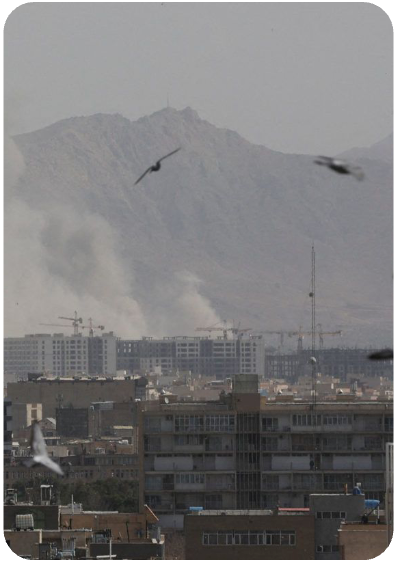
The agreement remains fragile and conditional on reopening the Strait of Hormuz; each side has already accused Iran War: Future Scenarios and Business Implications the other of violations. - Maritime flows partially resume but remain uncertain:
Disruptions and elevated security risks persist. President Trump has signaled readiness to resume strikes on Iranian infrastructure if ceasefire conditions are not met. - Economic conditions remain unstable:
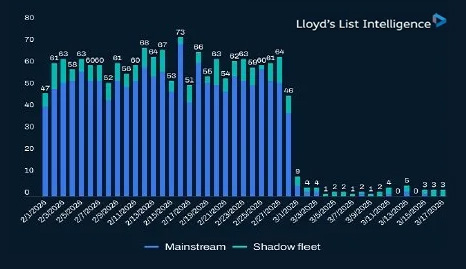
Energy markets remain volatile, with continued pressure on supply chains. Shipping, insurance, and aviation activity are only partially restored. Inside Iran, infrastructure damage is driving power shortages and industrial disruption. - Cyber activity has intensified:
Operations targeting energy and critical infrastructure are increasing, reinforcing systemic risk across key sectors.
Framework Overview
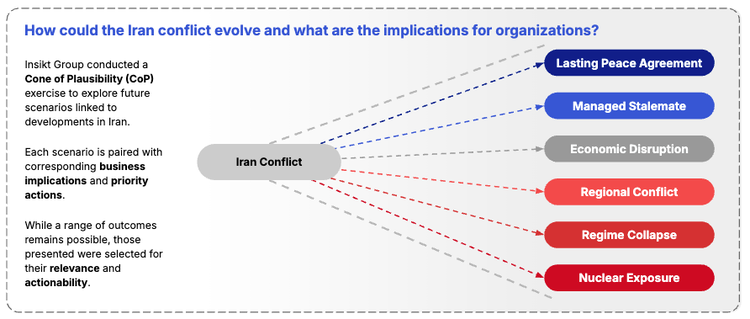
To assess how the Iran conflict could evolve over the next 6–12 months, Insikt Group analyzed regional and global dynamics using the PESTLE-M framework, covering Political, Economic, Social, Technological, Legal, Environmental, and Military domains, with a focus on Iran, the United States, Israel, and Gulf States.

This analysis informed a scenario generation exercise using a Cone of Plausibility (CoP) method. The objective was not to predict a single outcome, but to explore a range of alternative futures based on observed signals and emerging trends.
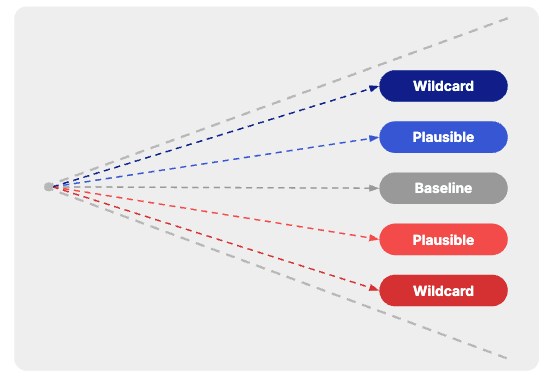
Wildcard
Plausible
Baseline
Plausible
Methodology
For each PESTLE-M category, we identified key drivers that could increase or decrease the likelihood of escalation, de-escalation, or sustained instability, and assessed how these dynamics may evolve under different assumptions. These were combined to develop six scenarios: one baseline, two plausible (best and worst case), and three wildcard scenarios, enabling organizations to evaluate how the conflict may unfold and the potential impacts on their operating environment.
Within the CoP framework:
- Drivers are signals and trends that could shape future developments
- Assumptions reflect how those drivers may evolve over time
- Scenarios describe how these dynamics could combine to produce distinct future states
We define scenarios as follows:
- Baseline: A forward projection of current trends and conditions
- Plausible: A realistic alternative outcome based on evolving drivers and assumptions
- Wildcard: A low-probability, high-impact scenario that challenges existing assumptions
Baseline Scenario: Fragile Ceasefire with Sustained Economic Disruption
Key Drivers and Assumptions
- Conditional ceasefire -> Underlying conflict causes unaddressed
- Maritime coercion -> Economic warfare persists
- Infrastructure targeting -> Energy disruption continues
Baseline: A forward projection of current trends and conditions
Ceasefire holds, but conflict shifts into sustained economic warfare.
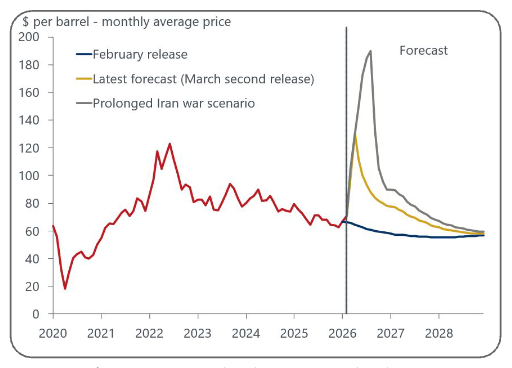
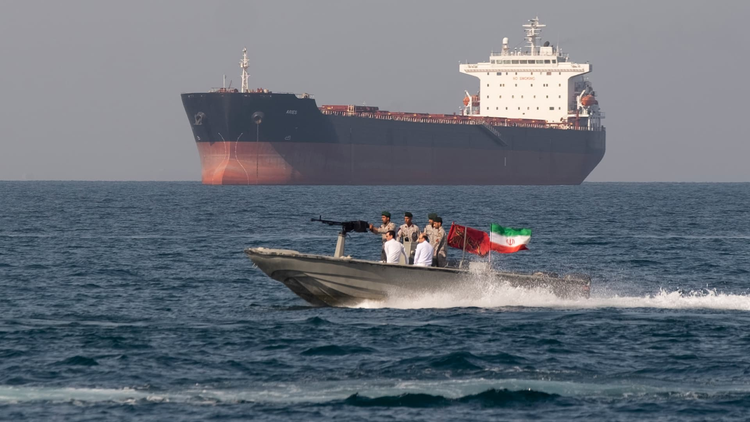
A fragile ceasefire reduces the pace of direct military exchanges strikes, but the drivers of conflict remain unresolved. Iran lacks the capacity for decisive escalation but retains asymmetric leverage, while the US prioritizes energy market stability and conflict containment. The Strait of Hormuz reopens only intermittently, with recurring disruptions, inspections, and security incidents, keeping shipping, insurance, and energy markets under sustained pressure. Gulf financial, logistics, and technology sectors operate intermittently, airlines maintain some route suspensions, and cyber activity remains elevated against regional infrastructure and Western-linked organizations. The conflict evolves into economic coercion as a primary tool, driving elevated oil and gas prices, persistent market volatility, and tighter financing conditions. Supply chains gradually reconfigure away from high-risk routes, increasing costs and reducing efficiency. Russia benefits from sustained high energy prices and reduced Western focus, strengthening its position in Ukraine. China capitalizes on fragmentation by expanding alternative trade and financial networks, reinforcing a more bifurcated global system.
Likelihood
Most likely if ceasefire holds without resolution: Conflict remains below full-scale war, but economic disruption persists as the dominant mode of competition.
Plausible Scenario (Best Case): Managed Stalemate
Key Drivers and Assumptions
- US threats and military strikes fail to coerce Iran into concession -> Limited appetite for sustained conflict
- Significant economic disruption -> Economic costs drive political decisions
- US military footprint in region -> Potential for re-escalation

Plausible: A realistic alternative outcome based on evolving drivers and assumptions
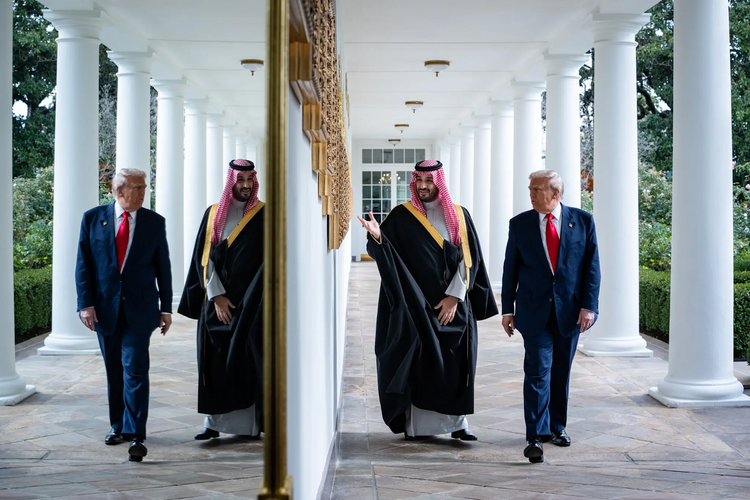
The US portrays its leadership decapitation campaign as successfully facilitating “regime change,” creating space for diplomatic engagement with “new” leadership. Iran maintains increased level of oversight over the Strait of Hormuz, while internally the IRGC plays a greater role in strategic decision-making.
Domestic economic and political pressure leads to the US to scale back military operations without clear resolution of key regional security issues, including Iran’s right to nuclear enrichment, ballistic missile program, and support to regional proxies. Maritime traffic slowly returns to pre-war levels, with a new protocol for vessel traffic under an internationally accepted mandate. Iran retains an increased level of oversight over the Strait of Hormuz passages and profits from the traffic. This relieves some economic strain, though lingering supply chain effects remain. Cyber attacks persist as a means of asymmetric coercion. The US lifts some sanctions against the “new” regime, but other sanctions remain in place, complicating the regulatory environment. Interest in renewable energy increases as companies seek to mitigate against future disruption, though oil demand returns to pre-conflict norms. Israel continues limited, highly targeted strikes, while the US retains its military presence in the region, keeping the possibility for re-escalation open.
Likelihood
Less likely as conflict continues: This scenario assumes the US’s limited appetite for full-scale war, but the opportunities for de-escalation diminish as the conflict persists.
Plausible Scenario (Worst Case): Regional Conflict with Gulf Involvement
Key Drivers and Assumptions
- Conditional ceasefire -> Continuing provocation re-escalates conflict
- Strait of Hormuz chokehold effective -> Asymmetric advantage to disruption
- Gulf infrastructure targeted -> Multi-state escalation
Plausible: A realistic alternative outcome based on evolving drivers and assumptions
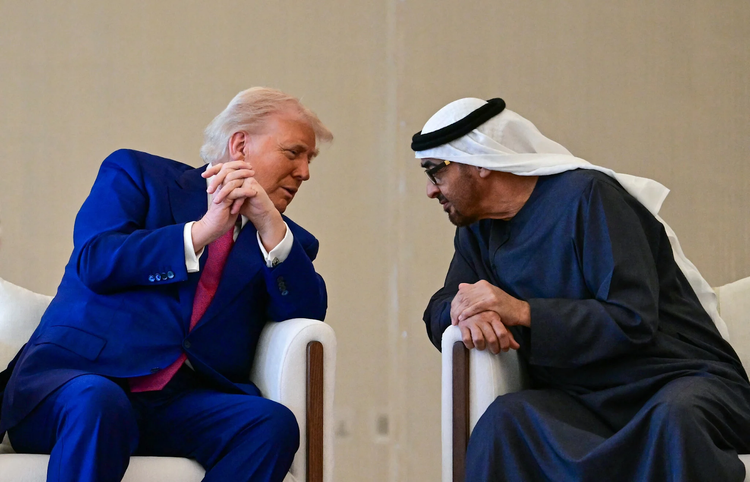
Ceasefire collapses, triggering multi-state regional war.
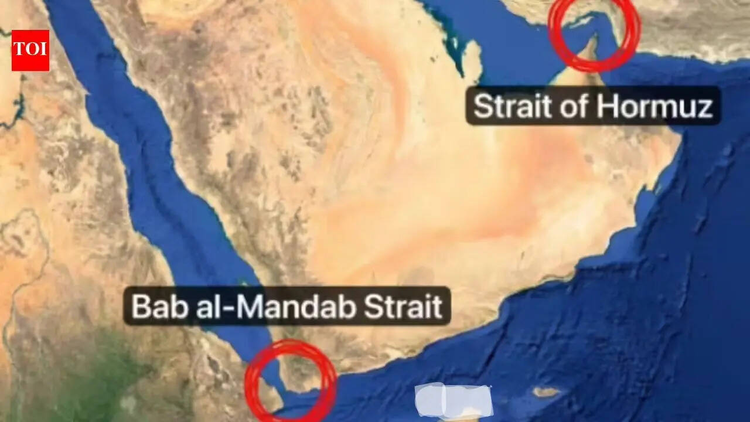
A temporary ceasefire breaks down following renewed strikes and failure to secure maritime access. Iran escalates missile and proxy attacks, including targeting Gulf energy infrastructure. With critical thresholds crossed, Saudi Arabia, the UAE, and Bahrain enter the conflict directly to protect economic and political stability. The Strait of Hormuz and Bab al-Mandab become sustained conflict zones, with repeated attacks, mining, and vessel seizures. Shipping and insurance markets withdraw at scale, severely constraining global energy flows. Energy prices surge, driving inflation and recession risk globally. Fuel shortages emerge in import-dependent economies, triggering industrial slowdowns, reduced mobility, and rolling outages. Cyber operations escalate into coordinated campaigns targeting energy, logistics, and financial systems. Legal fragmentation accelerates, with overlapping sanctions regimes, asset controls, and enforcement actions constraining cross-border operations. Russia exploits elevated energy revenues and reduced Western focus to press its advantage in Ukraine. China remains indirect but leverages Western overstretch to increase pressure on Taiwan.
Likelihood
More likely if ceasefire collapses and Gulf assets are targeted: Escalation becomes self-reinforcing once regional actors are drawn into direct conflict.
Wildcard Scenario 1: Lasting Peace Agreement
Key Drivers and Assumptions
- Severe degradation of Iranian infrastructure -> Iran compelled to concede
- Global economic disruption → International support for peace process
- Sustained disruption to Hormuz and energy markets → Mutual incentive to stabilize
Wildcard: A low-probability, high-impact scenario that challenges existing assumptions
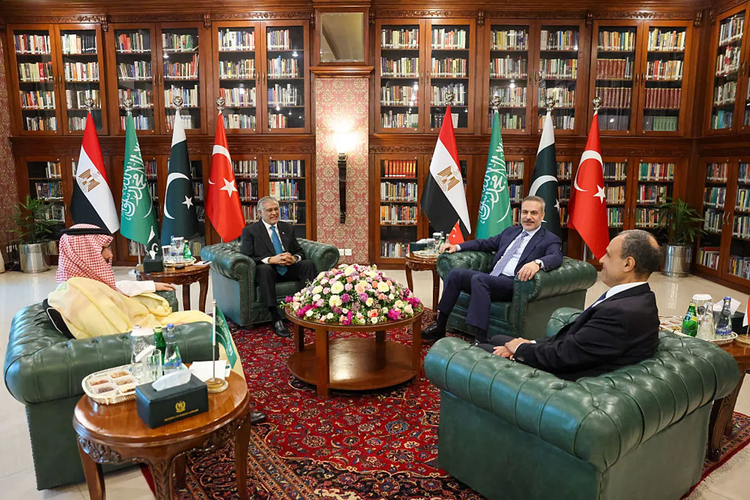
Negotiated settlement reached between the US and Iran, allowing for longterm drawdown of conflict.
Significant degradation of Iran’s energy, military, and industrial infrastructure, combined with mounting economic strain, power shortages, and reduced capacity to sustain conflict, compels Tehran to reassess its position and signal willingness to accept concessions. In parallel, the United States faces rising economic costs from prolonged energy disruption, inflation, and market instability, increasing pressure to stabilize conditions. A negotiated settlement emerges through indirect talks, mediated by Oman, with Iran accepting concessions on maritime security and nuclear constraints in exchange for phased sanctions relief and assurances against further strikes. Iran seeks a revised Strait of Hormuz security framework and limited economic concessions, though broader demands such as reparations are only partially addressed. The Strait of Hormuz fully reopens under agreed security mechanisms, restoring stable shipping and energy flows. Sanctions ease gradually, enabling reintegration of Iranian energy exports and limited foreign investment. Military activity declines sharply, cyber operations reduce, and global energy markets stabilise, easing inflationary pressures and improving financial conditions.
Likelihood
Low probability: Requires significant concessions from one side under sustained pressure.
Wildcard Scenario 2: Iranian Regime Collapses
Key Drivers and Assumptions
- Decades of political repression -> No viable alternative to Iranian regime
- Sectarian and political unrest -> Protracted internal conflict
- Targeting of leadership -> Regime instability and eventual collapse
Wildcard: A low-probability, high-impact scenario that challenges existing assumptions
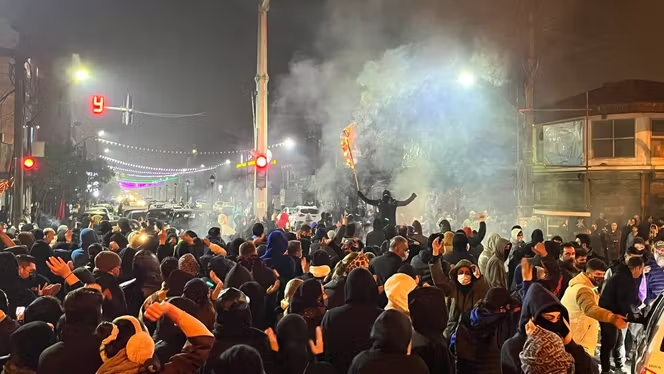
The Islamic Republic collapses, plunging the country into a civil war and complex humanitarian crisis.
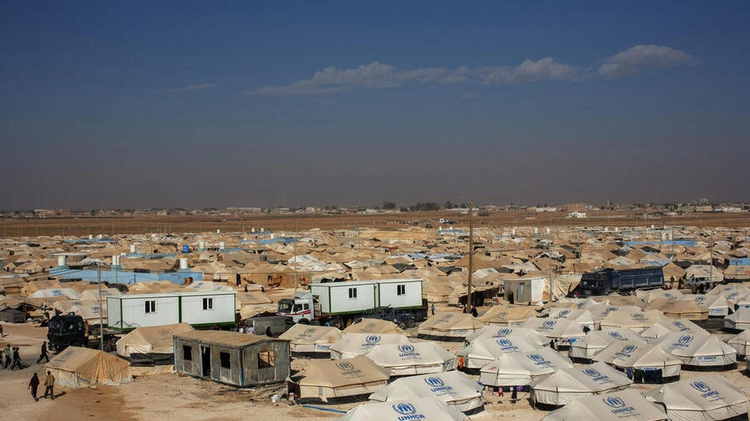
The US and Israel’s persistent “decapitation strategy” weakens the regime to the point where it is no longer able to assert internal control. With no viable alternative, the country falls into a multiparty civil war made up of pro-regime, pro-democracy, and assorted regional and ideological militias. Food and fuel shortages are severe in certain regions. Refugee camps are built in Iraq while Europe’s asylum system faces overwhelming demands. The US claims Kharg Island in the chaos and asserts control over the Strait of Hormuz, mitigating international economic damage. However, the political instability gives pro-regime and other ideological groups a base for asymmetric operations, leading to persistent regional disruption. Cyber capabilities degrade amid internal fighting, though some hacktivist operations persist against a wider variety of ideological enemies. Damage to water and energy facilities sustained during the conflict exacerbates humanitarian crisis and slows recovery. Russia supplies military support to pro-regime factions, but not enough to significantly tilt the balance of power.
Likelihood
Long-term resilience of regime and viability of alternatives is unknown, making it difficult to assess likelihood with confidence.
Wildcard Scenario 3: Nuclear Crisis
Key Drivers and Assumptions
- Protracted high-intensity conflict -> Increased likelihood of miscalculation
- Location of facility -> Risks of radiological contamination spread by air and water
- Diplomatic failures -> Inability to coordinate on response
Wildcard: A low-probability, high-impact scenario that challenges existing assumptions
Missile strikes hitting a nuclear facility lead to a radiological incident, causing immediate global shock and rapid escalation.
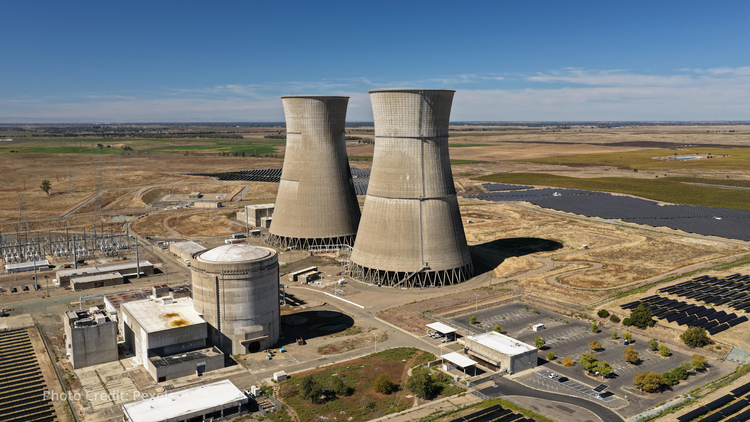
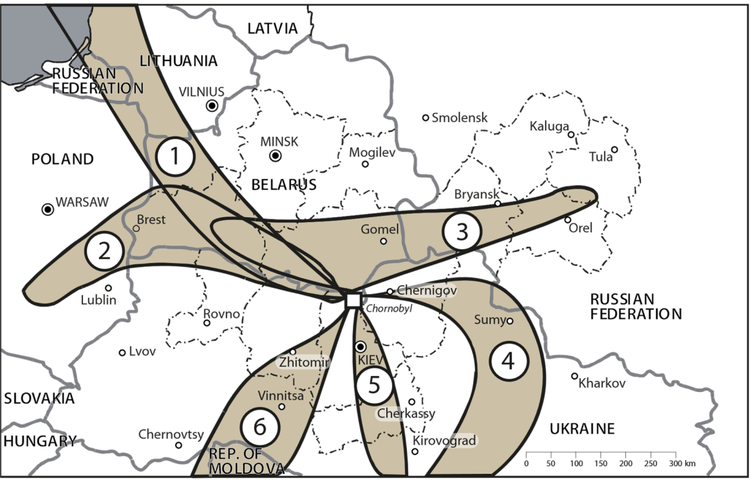
A missile strike causes extensive damage to Iran’s Bushehr civilian nuclear power facility, causing radiological release with cross-border contamination. This occurs due to escalation, miscalculation, or degraded command and control. Immediate impacts include evacuation zones and disruption to regional energy supply. Emergency response efforts are delayed by ongoing conflict, limiting containment and extending environmental and economic damage. As a result, southern Iran and Gulf States experience long-term harm to drinking water supply and maritime food sources. The conflict also prevents long-term monitoring in Iran, which extends the long-term health and environmental damage from inadvertent exposure. Contamination further restricts maritime trade routes in the Gulf, while energy markets react sharply to both supply disruption and elevated systemic risk. Cyber and information operations amplify panic and misinformation.
Likelihood
Low probability, high impact: Risk of intentional or unintended strike increases under sustained conflict.