
Panasonic Group
Wie die Panasonic Group proaktive, von Intelligenz geführte Security Operationsweltweit erreichte
Die Panasonic Group, einer der führenden Elektronikhersteller Japans, stand vor einer kritischen Herausforderung: Sicherheitslücke sich von sich schnell entwickelnden Cyberbedrohungen. Manuelle Bedrohungsinformationen Prozesse und subjektive Bewertungen konnten mit den Anforderungen eines globalen Unternehmens in großer Transformation nicht Schritt halten. Durch die Einführung der Recorded Future -Plattform revolutionierte Panasonic seine Sicherheitsabläufe – erreichte 50 % schnellere Bedrohungsanalysen, automatisierte Sicherheitslücke Priorisierung und etablierte proaktive Bedrohungserkennungsfähigkeiten, die ihre Abläufe weltweit schützen.
Ziel
Transformation von reaktiven Sicherheitsmaßnahmen hin zu proaktiven, KI-gestützten Bedrohungsinformationen im gesamten globalen Unternehmen.
Herausforderung
Weg von reaktiven Sicherheitsmaßnahmen, die sich stark auf manuelle Bedrohungsinformationen und subjektive Bedrohungsbewertungen stützten, hin zu proaktiven Bedrohungsabwehrfähigkeiten.
Ergebnis
- Etabliertes Programm für proaktive Bedrohungsinformationen
- Automatisierte Sicherheitslücke -Priorisierung und -Patching zur Optimierung von Antworten und Kommunikation
- Durch den Einsatz von Recorded Future AI konnte die Erstellung von Bedrohungsanalyseberichten um 50 % beschleunigt werden.
- Subjektive Entscheidungen wurden durch unvoreingenommene Bedrohungsinformationeneliminiert.
- Geringeres Lieferkettenrisiko und verbesserte Antwortfunktionen
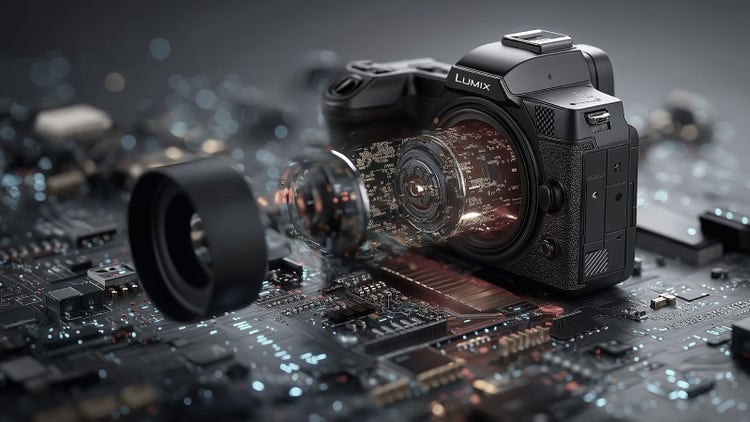
Als einer der führenden Hersteller von umfassender Elektronik in Japan nutzt die Panasonic Group Recorded Future , um proaktive Sicherheitsoperationen zu erreichen und Cyberresilienz im globalen Unternehmen zu stärken.
Abkehr von einem reaktiven Sicherheitsstatus
Panasonic Group, one of Japan's leading electronics manufacturers, underwent a major transformation in 2022 when it transitioned to a holding company structure. As part of its "PX (Panasonic Transformation)" initiative—a company-wide transformation encompassing management model, corporate culture, human resources, and business processes, the company determined that their passive approach to security needed to evolve. Kagotani explains, “PX is not merely about improving efficiency through IT, but rather a company-wide transformation that encompasses how we conduct business, our way of thinking, and our mindset.”
Begrenzte Intelligenz und passive Reaktionsfähigkeit
Panasonics bisheriger Ansatz im Umgang Bedrohungsinformationen war reaktiv, wodurch das Unternehmen mit veralteten Informationen auskommen musste und in einer Welt sich schnell entwickelnder Bedrohungen benachteiligt war. „Der Bedrohungsinformationen , den wir damals beauftragt hatten, erstellte seine Berichte nur einmal im Monat, und wir konnten daraus keine wichtigen Erkenntnisse gewinnen“, erklärte Yusuke Nagai von der Abteilung für Cybersicherheits-Gegenmaßnahmen.
Es gab auch Einschränkungen in der Methodik, einschließlich der Art und Weise, wie Informationen gesammelt und bewertet wurden. "Wir haben uns auf einen subjektiven Ansatz verlassen, bei dem 'Sicherheitsexperten' entscheiden, ob sie Bedrohungsinformationen mit dem Unternehmen teilen, basierend auf dem, was sie in den sozialen Medien und den Nachrichten sehen", sagte Kagotani. "Wir verspürten ein Gefühl der Krise, weil wir keine Informationen aktiv sammeln konnten und auf passive Informationen von außerhalb der Quellen angewiesen waren."
Die Notwendigkeit einer umfassenden Sichtbarkeit globaler Bedrohungen
Für ein Unternehmen, das weltweit in verschiedenen Geschäftsbereichen tätig ist, wurde der Aufbau eines Sicherheitsbetriebssystems, das Bedrohungsinformationen schnell aufnehmen, verstehen und proaktiv darauf reagieren kann, zu einer dringenden Priorität. Kagotani erklärte: „Wir mussten Bedrohungsinformationen in zwei Achsen einteilen – Cyberhygiene (Prävention in normalen Zeiten) und Cyberresilienz (Reaktion in Krisenzeiten) –, um die Sicherheitsreife der Organisation zu erhöhen.“ Es war dringend notwendig, ein System aufzubauen, das globale Bedrohungsinformationen umfassend erfassen und proaktiv reagieren konnte.
Managerder AbteilungSecurity Operations / xSIRT-Leiter, Panasonic Holdings
umfassende Bedrohungsinformationen
Die Panasonic Group führte einen Machbarkeitsnachweis durch und erkannte sofort den Nutzen von Recorded Future. Die Plattform löste ihre größten Herausforderungen – die Abhängigkeit von Menschen bei der Synthese isolierter Bedrohungsdaten – und ihre Fähigkeit, eine einheitliche, objektive Bedrohungsanalyse zu liefern, war ein entscheidender Wettbewerbsvorteil.
Recorded Future Engagement für die Unterstützung der praktischen Umsetzung war ebenfalls deutlich. „Ausschlaggebend für den Erfolg war ihre tatkräftige Unterstützung, die über bloße technische Hilfe hinausging und konkrete Lösungen für die Ideen bot, die wir umsetzen wollten“, bemerkte Nagai.
KI-gestützte Bedrohungsanalyse und Automatisierung
Die KI-gestützte Bedrohungsinformationen Plattform von Recorded Future wurde zu einem zentralen Bestandteil der Sicherheitstransformation von Panasonic. Die Plattform ermöglichte es dem Unternehmen:
- Standardisieren Sie die Bedrohungsbewertung: Ersetzen Sie subjektive Einschätzung durch unvoreingenommene Bedrohungsinformationen
- Automatisieren Sie Sicherheitslücke Management: Bewerten Sie Sicherheitslücke Kritikalität schnell mit dynamischen Risikobewertungen und Echtzeitwarnungen bei Lebenszyklusänderungen
- Beschleunigen Sie die Bedrohungsanalyse: Analysieren Sie Bedrohungstrends und erstellen Sie Berichte, um schnell aussagekräftige Erkenntnisse zu gewinnen.
- Lieferkettensicherheit verbessern: Schnelle, effektive und datengestützte Entscheidungen zum Drittparteienrisikomanagement und zur Antwort treffen
Die Zusammenarbeit mit Recorded Future ermöglichte es Panasonic, von manuellen, menschenabhängigen Prozessen zu automatisierten, datengetriebenen Sicherheitsoperationen umzusteigen, die global skalierbar sind.
Direktor der Security Operations Division, Panasonic Holdings Corporation
Proaktive Bedrohungserkennung und Reaktion
Die Implementierung von Recorded Future hat Panasonics Sicherheitsstrategie von reaktiv auf proaktiv umgestellt. Der bedeutendste Effekt bestand in der Fähigkeit, Bedrohungen zu erkennen, bevor sie zu Angriffen werden, und schnelle, effektive, datengestützte Entscheidungen zu treffen.
"Wir sind nun in der Lage, eingehende Untersuchungen der Methoden durchzuführen und Kampagne relevanter Bedrohungsakteuranzugreifen", erklärte Nagai. "Im Gegensatz zu herkömmlichen Diensten, die nur bestimmte Schlüsselwörter erfassten, können wir nun das Gesamtbild von Bedrohungsakteur und Kampagne erfassen und sie anhand von bereicherten Informationen und Berichten verfolgen, die von Recorded Future Analysten zusammengestellt wurden."
Erfolgreiche Früherkennung von Bedrohungen
Die proaktiven Fähigkeiten lieferten in realen Bedrohungsszenarien sofortige Ergebnisse. Als eine Hacktivistengruppe eine DDoS- Kampagne gegen Japan startete, konnte Panasonic diese dank Recorded Future frühzeitig erkennen und präventive Maßnahmen ergreifen, bevor sie zum Tragen kam.
Erweiterte Bedrohungserkennung
Durch die Integration der Bedrohungsinformationen von Recorded Future mit bestehenden Sicherheitstools deckt Panasonic neue Bedrohungen auf, gegen die man proaktiv schützen kann. „Durch den Einsatz Recorded Future zum Abgleich von Protokollen mit IOCs (technischen Informationen wie IP-Adressen und Domainnamen) mit Spuren von Angriffen haben wir neue Bedrohungen entdeckt, die weder durch EDR (Endpoint Erkennung und Antwort) noch durch Web-Proxys allein erkannt werden konnten“, sagte Xu Jingbo von Infrastructure Security Planning.
Operative Effizienz und Standardisierung
Die Umsetzung brachte bedeutende Verbesserungen der operativen Effizienz:
- Automatisierte Bedrohungsanalyse: Aufgaben, die zuvor auf menschlicher Logik basierten, wurden automatisiert
- Standardisierte Bewertung: Risikowerte eliminierten subjektive Entscheidungsfindung
- Schnellere Erkennung: Recorded Future AI verkürzte die Erstellungszeit von Bedrohungsanalyseberichten um 50 %.
- Vereinfachte Kommunikation: Automatisierte interne Warnung ersetzte manuelle Prozesse
Zukunftsfähige AI Integration
Zur Unterstützung der strategischen Initiative „Panasonic Go“ nutzt Panasonic die Expertise von Recorded Future , um fortschrittliche Systeme zu entwickeln, bei denen Beschreibungen in natürlicher Sprache AI auslösen können, um Entscheidungen zu automatisieren.
„Ähnlich wie bei der Transformation des Sicherheitsgeschäfts bei PX wollen wir einen neuen Stil von Cybersicherheitsoperationen fördern, die ohne menschliches Eingreifen auskommen“, erklärte Kagotani und skizzierte damit ihre Vision für vollautomatisierte Cybersicherheitsoperationen der Zukunft.
Panasonic setzt auf Recorded Future, um die Transformation zu unterstützen
Die Transformation der Panasonic Group von reaktiven zu proaktiven Sicherheitsmaßnahmen demonstriert die Leistungsfähigkeit KI-gestützter Bedrohungsinformationen bei der Modernisierung der Cybersicherheit von Unternehmen. Durch die Implementierung Recorded Future erzielte das Unternehmen nicht nur einen messbaren ROI– darunter eine 50 % schnellere Bedrohungsanalyse und ein automatisiertes Management Sicherheitslücke –, sondern schuf auch eine Grundlage für zukunftsfähige Sicherheitsoperationen, die sich auf das gesamte globale Unternehmen skalieren lassen.
General Manager der Security Operations Division/xSIRT-Leiter, Panasonic Holdings Corporation